The Spaceship Earth Metaphor: A Critical Analysis
Understanding Metaphors
A metaphor is a figure of speech that describes an object or action in a way that isn't literally true, but helps explain an idea or make a comparison. Metaphors shape our understanding and can influence our beliefs and actions.
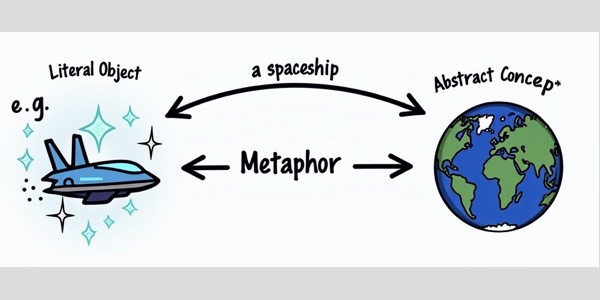
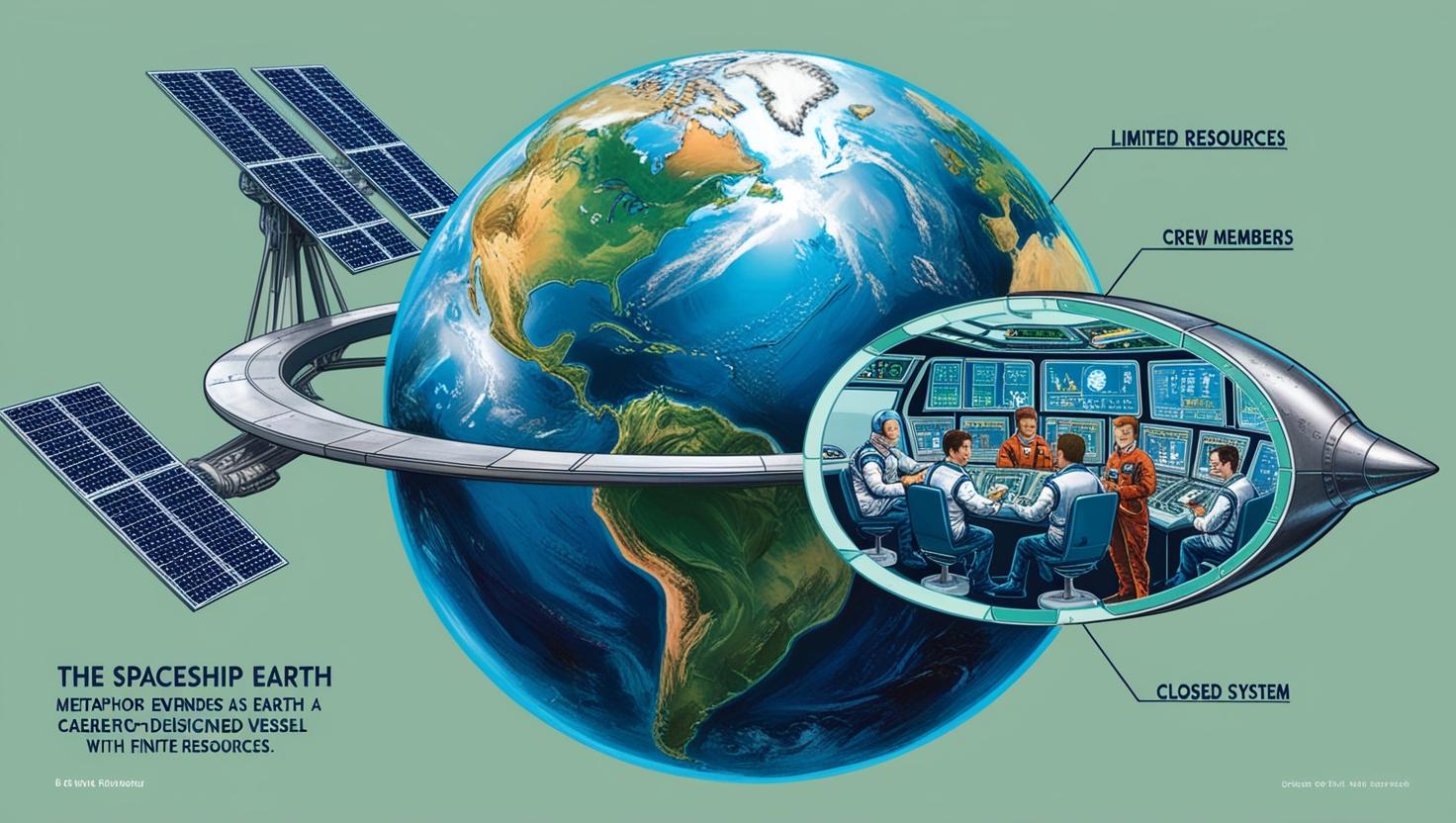
The Spaceship Earth Metaphor
Original Concept:
- Earth as a carefully designed vessel
- Humans as crew members
- Limited resources to be managed
- Closed system requiring maintenance
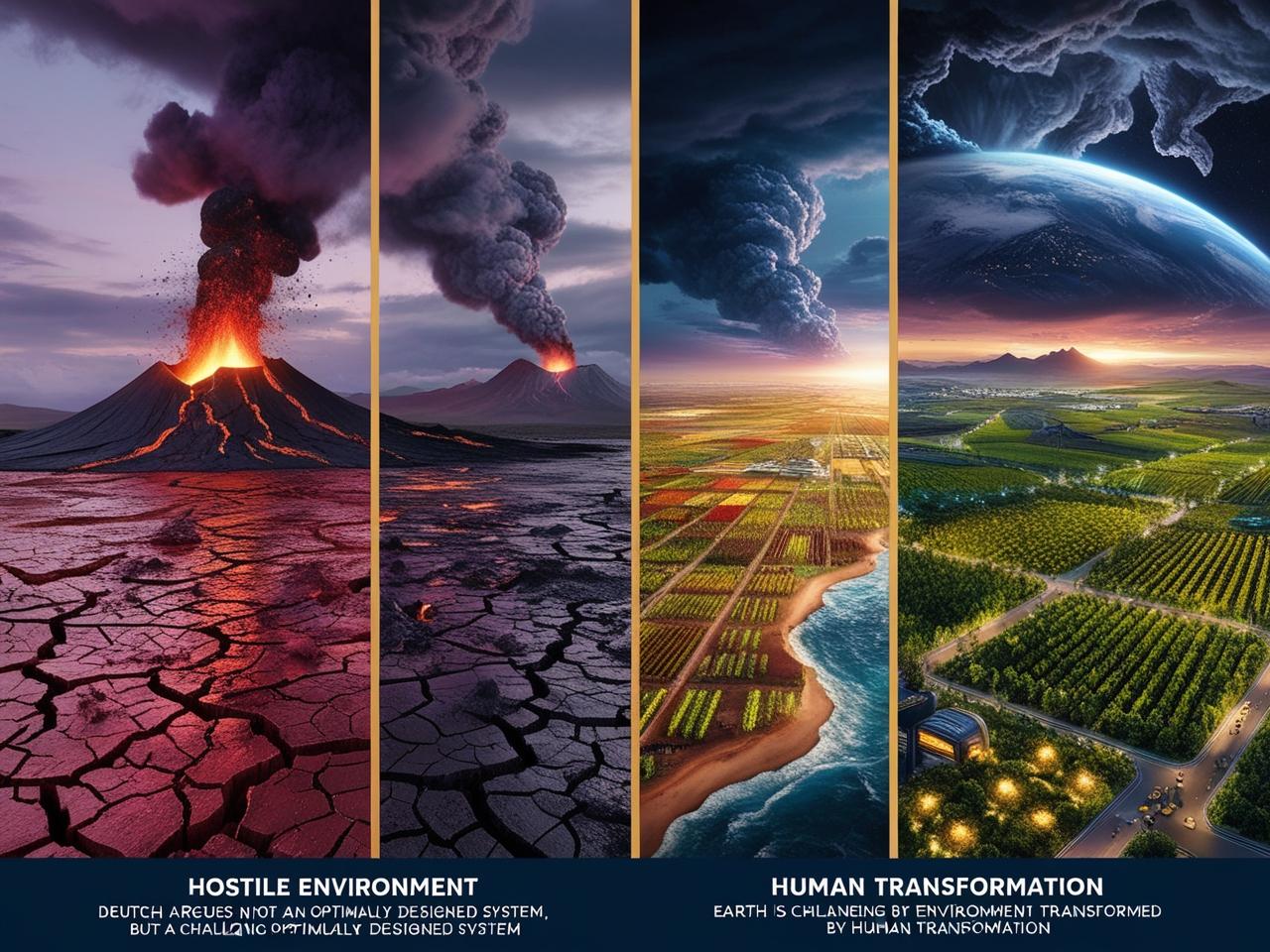
Deutsch's Critique
Reality:
- Earth evolved as a hostile environment
- Not optimally designed for life
- Requires constant transformation
- Open system with access to universe's resources
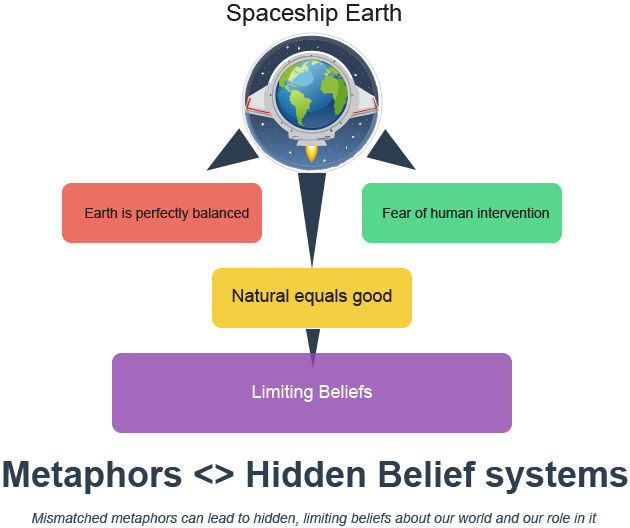
Hidden Belief Systems
Mismatched metaphors can lead to problematic beliefs:
- False notion of Earth as perfectly balanced
- Assumption that "natural" equals "good"
- Fear of human intervention
- Limited view of resources and potential
A Better Understanding
Key Takeaways:
- Earth is not a designed system but a challenging environment
- Human knowledge and creativity are essential for survival
- Progress comes through transformation, not preservation
- Resources are created through knowledge
The Power of Metaphors
When we examine our metaphors critically, we can:
- Identify limiting beliefs
- Develop more accurate mental models
- Make better decisions about our future
- Embrace human potential for problem-solving
Historical Development
1964: Marshall McLuhan
First coined "Spaceship Earth" in "Understanding Media: The Extensions of Man"
1968: Buckminster Fuller
Popularized the term through "Operating Manual for Spaceship Earth"
2011: David Deutsch
Critiqued the metaphor in "The Beginning of Infinity"
Understanding Metaphors
Metaphors are not merely linguistic devices but fundamental cognitive structures that shape how we understand and interact with the world. They can both illuminate and constrain our thinking.
Understanding Metaphors
A metaphor is a figure of speech that describes an object or action in a way that isn't literally true, but helps explain an idea or make a comparison. Metaphors shape our understanding and can influence our beliefs and actions.
Annotated Bibliography
McLuhan, M. (1964). Understanding media: The extensions of man. McGraw-Hill.
ISBN: 978-0262631594
First introduction of the "Spaceship Earth" concept, exploring media's role in creating a global village.
Fuller, R. B. (1968). Operating manual for Spaceship Earth. Southern Illinois University Press.
ISBN: 978-0809300471
Comprehensive exploration of the "Spaceship Earth" metaphor, emphasizing global cooperation and resource management.
Deutsch, D. (2011). The beginning of infinity: Explanations that transform the world. Allen Lane.
ISBN: 978-0143121350
Critical analysis of the "Spaceship Earth" metaphor, highlighting its limitations and proposing an alternative view of human progress.
Lakoff, G., & Johnson, M. (1980). Metaphors we live by. University of Chicago Press.
ISBN: 978-0226468013
Seminal work on conceptual metaphor theory and how metaphors shape our understanding and beliefs.
Further Reading
- Ward, B. (1966). Spaceship Earth. Columbia University Press.
- Boulding, K. E. (1966). The economics of the coming Spaceship Earth.
- Anker, P. (2007). Buckminster Fuller as Captain of Spaceship Earth. Minerva, 45(4), 417-434.